Afroman vs Officer Pound Cake: Defamation Lawsuit Deep Dive
Police officers who raided Afroman's home sued him for defamation after he responded with a song mocking them. The officers claimed his music caused real harm — apparently unfamiliar with how this usually goes for cops who sue rappers. In a video titled 'Afroman vs Officer Pound Cake,' Josh Johnson breaks down the trial, including the moment an actual officer had to testify in open court that yes, people had been calling him Officer Pound Cake, and yes, someone had mailed pound cakes to the station.
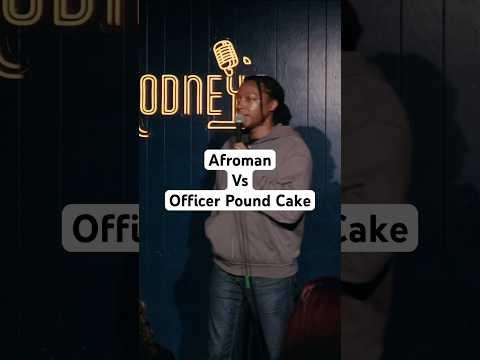
Raid First, Lawsuit Second
After police raided his home, Afroman did what Afroman does — he wrote a song about it.
The track, 'Lemon Pound Cake,' took direct aim at the officers involved, and according to Josh Johnson's breakdown in Afroman vs Officer Pound Cake, it hit hard enough that the cops decided to hit back legally.
Defamation Is a High Bar
The officers filed a joint defamation suit, which raised an immediate problem: defamation requires proving actual harm, and 'a rapper made fun of us' is not a strong foundation for that argument.
Afroman was doing something courts have generally protected for centuries — using art to criticise people in power — which made the officers' case look shaky before it even got to trial.
Officer Pound Cake Takes the Stand
The trial produced one of the more surreal moments in recent courtroom history, per Johnson's account.
One of the named officers — who by this point had acquired the nickname 'Officer Pound Cake' — had to sit in the witness box and confirm, on the record, that members of the public had been calling him that, and that actual pound cakes had been physically delivered to the police station as a direct response to the song.
The Emotional Distress Argument
The officers' legal strategy appeared to lean heavily on conveying how much the whole thing had upset them.
That's a rough position to argue from when the evidence of your suffering is a baked good.
Our Analysis: Johnson nails the absurdity here — cops suing over a diss track while confirming in court they've been called "Officer Pound Cake" is basically self-defeating testimony.
This fits a broader pattern of institutions using litigation to suppress criticism they simply don't like, which is exactly what anti-SLAPP laws exist to stop.
If this case gets tossed — and it should — expect it to become a First Amendment landmark that makes future "hurt feelings" defamation suits from public officials a much harder sell.
What's worth dwelling on here is the specific dynamic at play: the officers aren't just plaintiffs — they're public officials suing a private citizen for mocking them in a song. That's about as close to textbook protected speech as it gets. The First Amendment has always given extra breathing room to political and social commentary, and satire aimed at law enforcement sits squarely in that tradition going back centuries. A defamation suit that requires an officer to testify that pound cakes arrived in the mail isn't just legally weak — it actively illustrates why the speech was protected in the first place. The public responded. The song did exactly what protest art is supposed to do.
There's also a deterrence question that doesn't get enough attention. When public officials file suits like this, the chilling effect on other artists and ordinary citizens is real, regardless of how the case ultimately resolves. Most people don't have the resources or the platform to fight back the way Afroman did. The concern isn't just this one case — it's every musician, satirist, or social media commentator who sees a lawsuit like this and decides it's not worth the risk. That's the real cost of using litigation as a reputation management tool, and it's why courts tend to look dimly on it when the strategy becomes apparent.
The pound cake detail will rightly become the shorthand for this case, but the underlying legal question is serious: how much protection do public officials get from criticism they find humiliating? The answer, historically, is very little — and for good reason.
Source: Based on a video by Josh Johnson — Watch original video
This article was generated by NoTime2Watch's AI pipeline. All content includes substantial original analysis.
Related Articles

Afroman Trial: Free Speech Wins vs Police Defamation
A jury ruled in favor of rapper Afroman in a defamation lawsuit brought by the police officers who raided his home in 2022, finding that his satirical songs about the raid were protected under the U.S. First Amendment. Officers had sued after Afroman turned surveillance footage of their conduct — including one officer's apparent fascination with a lemon pound cake — into viral music mocking them by name. Josh Johnson's video 'The Afroman Trial Explained: Cops vs Hip Hop' breaks down how the case went from an unwarranted drug raid to a courtroom win that doubled as a free speech lesson.

Josh Johnson on Cassette Tapes: The Physics Problem
Comedian Josh Johnson stumbled onto a physics problem he didn't expect: he couldn't explain how a cassette tape actually works. In his video "Please help me explain this to younger people," Johnson tries to walk a younger person through magnetic tape technology and realizes mid-explanation that he's lost on the actual physics. The moment lands as comedy, but it points to something real — most people who grew up with cassette tapes and CDs used them daily without ever understanding how a strip of coated plastic, or a pressed disc, became music.

US-Iran War: What Washington Isn't Telling You
The US-Iran war is going worse than Washington is letting on, according to Ian Carroll's latest video, 'War in Iran is not going as well as they're telling you.' Carroll, drawing on open-source satellite imagery and independent analysts, argues that Iran has successfully destroyed multi-billion-dollar US and Israeli radar systems, closed the Strait of Hormuz without firing a shot, and turned an early airstrike on a girls' school into a recruitment poster. He's openly anti-Israel and says so upfront — which is either a red flag or a refreshing change, depending on who you ask.